
Social Order, Shared Space, and Little Norms
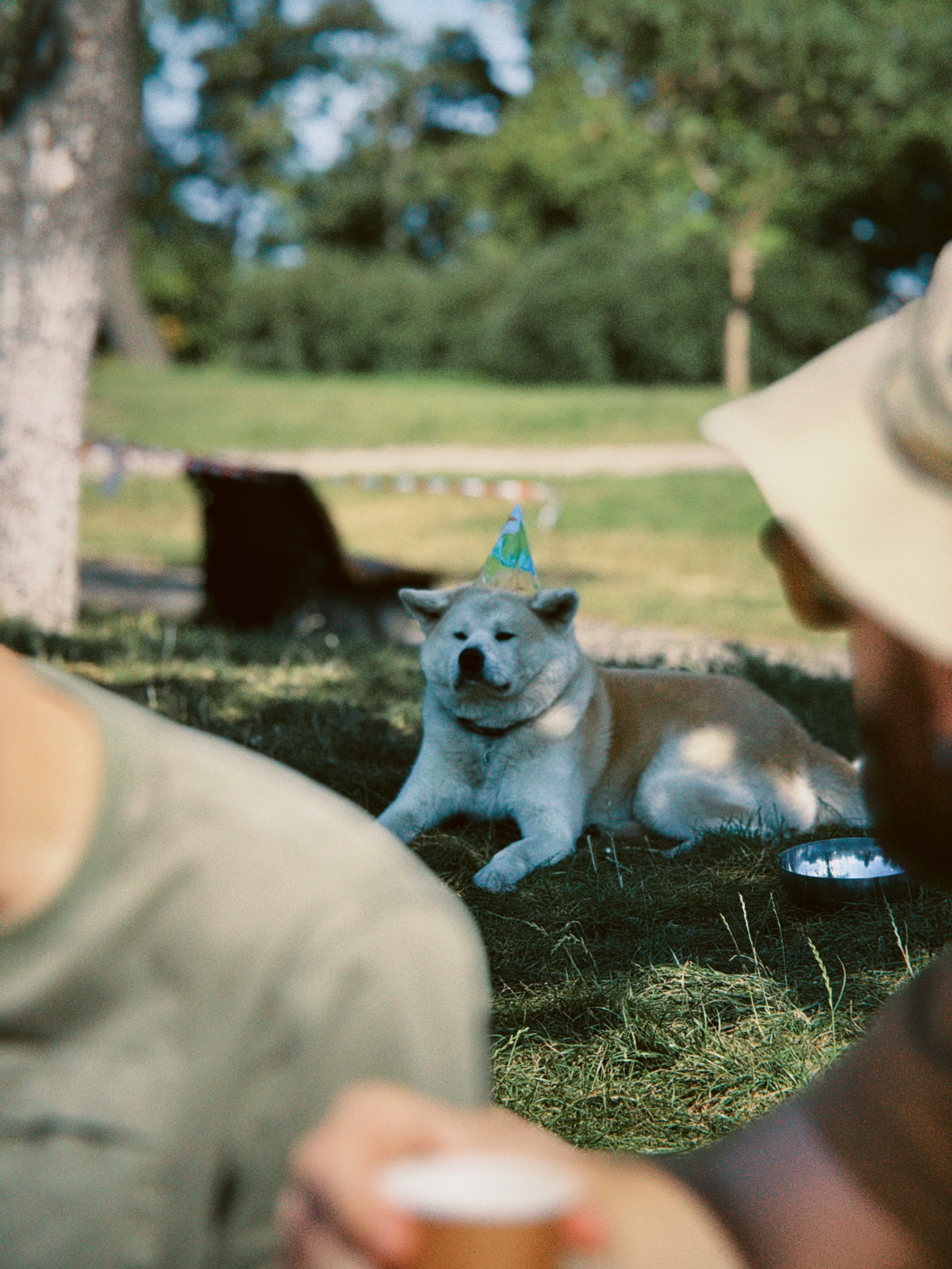
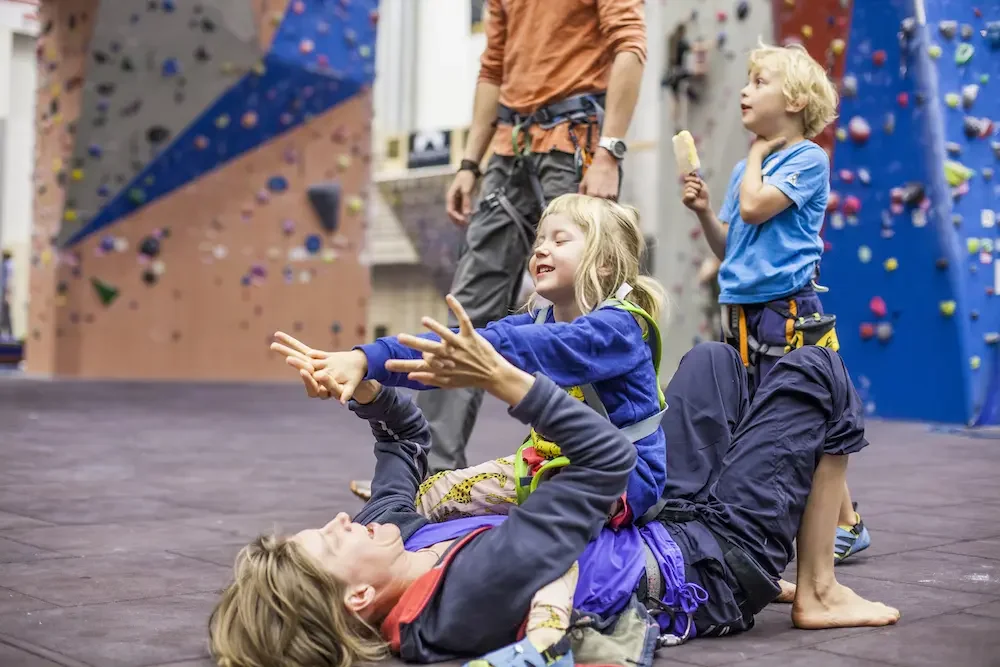
Do we wear our shoes inside, or not? Do we squat, or do we sit? Do we stand on one side of the escalator so others can pass, or are we only concerned with the step beneath our own feet? Small shared norms create predictability and trust. They make public life feel more predictable and certain—and everyday interactions become more relaxed.
Designing for Democracy: Planning Neighborhoods for Collective Power
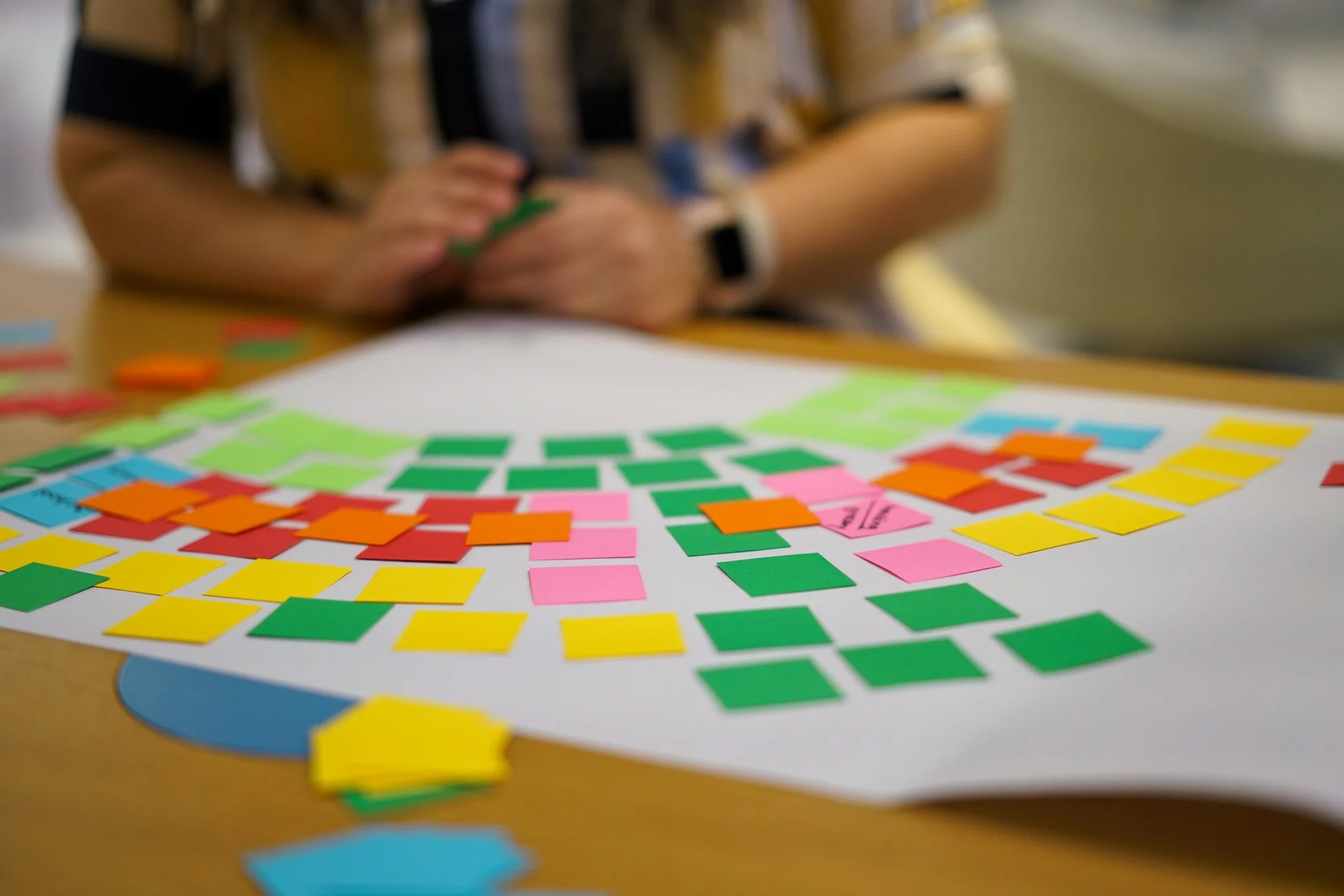
In our third Designing for Democracy workshop, participants created neighborhood land use plans rooted in democratic values. Their plans revealed a shared vision for communities built around access to nature, food security, daily amenities, and pathways to civic power.
Designing for Democracy: Imagining the Spaces That Make It Possible
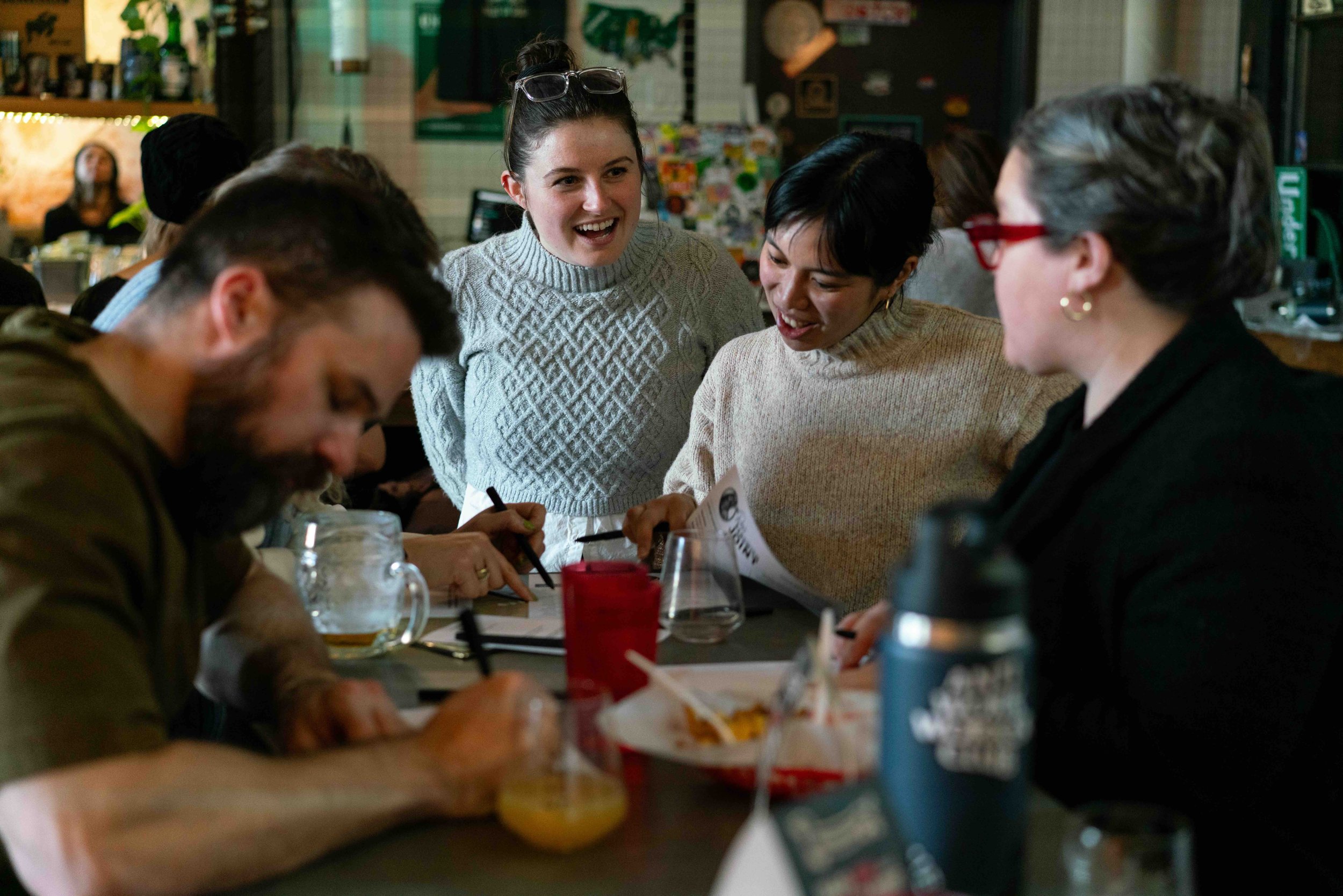
What would a space built for democracy look like? In the second Designing for Democracy workshop, participants translated ideas into design — imagining the qualities, forms, and everyday gestures that make democratic life visible, accessible, and alive.

Designing for Democracy: Why the Built Environment Matters
Democracy doesn’t just happen at the ballot box — it lives in our streets, plazas, and parks. The first Designing for Democracy event explored how the built environment shapes our ability to connect, empathize, and act together.